
Inside the Mind of Mauricio Pochettino and His USA 2026 World Cup Plan
Thirty-two years after a squad of semi-professionals took the field, Mauricio Pochettino’s USMNT enters a home World Cup with elite European pedigree and a new system.

The United States of America, the joint host of the 2026 FIFA World Cup, enters the world stage in a perilous position. Three decades ago in 1994, the American squad was a bunch of semi-professionals attempting to compete against the world’s elite. This time around they field a roster that boasts undeniable pedigree. The pressure of being a host nation and the expectations that come with representing the United States make the USMNT an exciting nation to keep an eye on over the summer.
Under the managerial resurgence of Mauricio Pochettino, the previous manager of PSG and Chelsea, the USMNT now possesses an elite tactician whom they hope will bring success. Previously under his predecessor Gregg Berhalter, the US’ way of approaching football was possession-based, positional play. From their previous coach Jurgen Klinsmann, they had gone from averaging 40% possession under him to 53% under Berhalter.
Berhalter shifted the team from a rigid 4-3-3 formation to a highly dynamic 3-4-3 diamond in possession. This change saw the team rise by 17% in controlled possession and a 22% drop in goals conceded.
So when Mauricio Pochettino was appointed in September of 2024, he inherited a philosophy and a squad that had grown accustomed to positional play, numerical overloads and structural pressing. Instead of abandoning this framework, Pochettino built upon it and injected a South American fluidity and verticality that the team previously lacked.
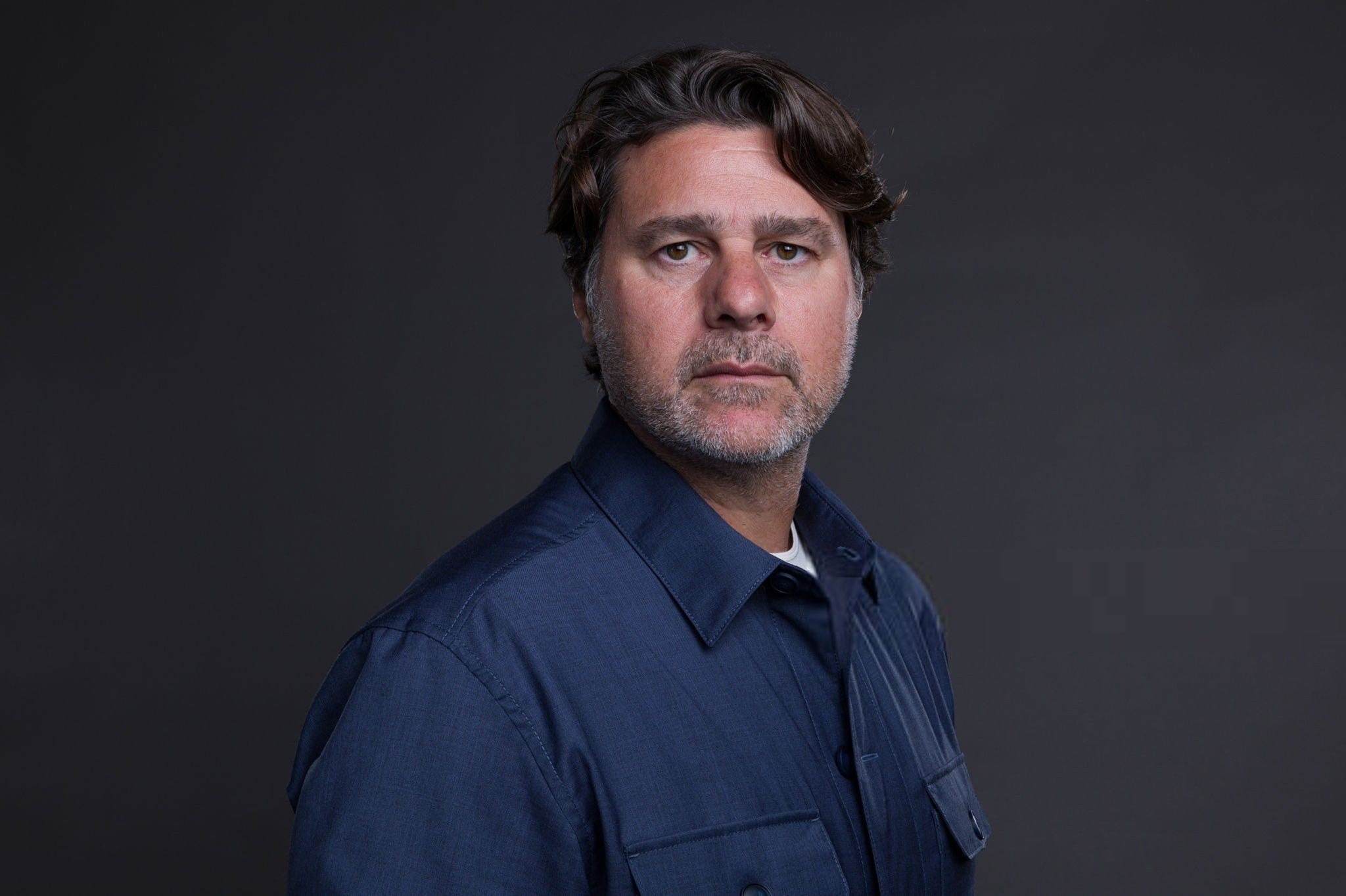
Pochettino’s tactical philosophy revolves around intense, aggressive movement and the manipulation of shape depending on the phase of play. It was initially reported that the learning curve for the American squad was initially brutal as players were asked to combine extreme physical intensity with complex, structural rotations; however, the system has since become deeply ingrained.
Out of possession, the USMNT organises into a 4-2-3-1 or 4-4-2 mid-block. This defensive structure prioritises central compactness, denying the opposition access to the middle of the pitch. This forces the ball into the wide channels where the USMNT can trigger their aggressive pressing traps. The double pivot in midfield serves as a shield, preventing central counter-attacks and maintaining the team’s defensive shape.
In controlled possession, the USMNT goes into a 3-2-5 shape where they look to create numerical overloads across the forward line, pinning the opposition’s defensive block deep into their own defensive third. The mechanics of this 3-2-5 system are understandably heavily reliant on specific personnel profiles.
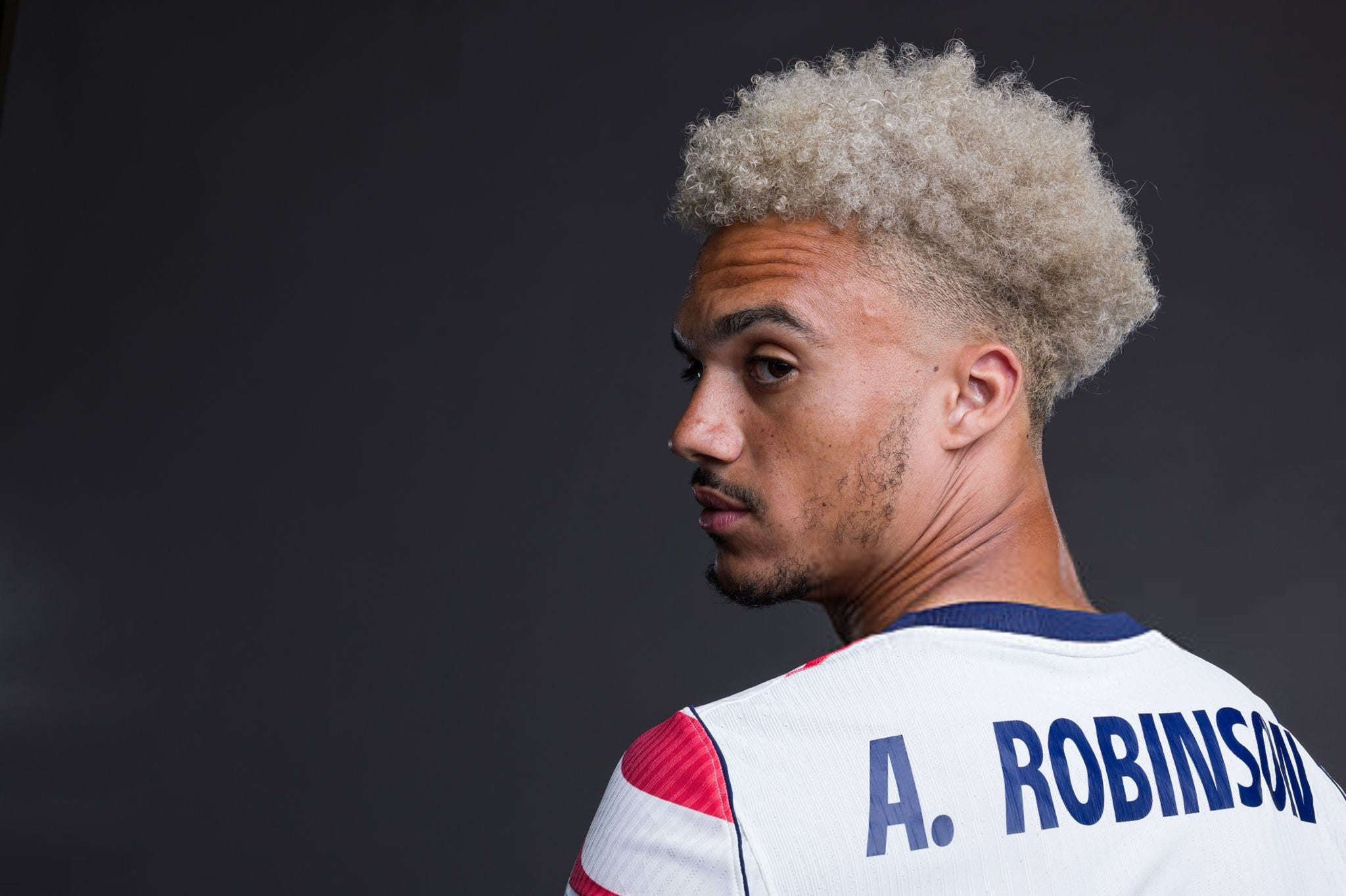
Christian Pulisic, who is America’s best-known player, is stationed on the left wing as the team’s primary creative spark. Rather than hugging the touchline, Pulisic drifts inside to occupy the left half-space, operating as an advanced playmaker. Antonee Robinson, at left-back, is then granted the opportunity to aggressively run forward, overlapping Pulisic to provide raw pace and width down the left flank.
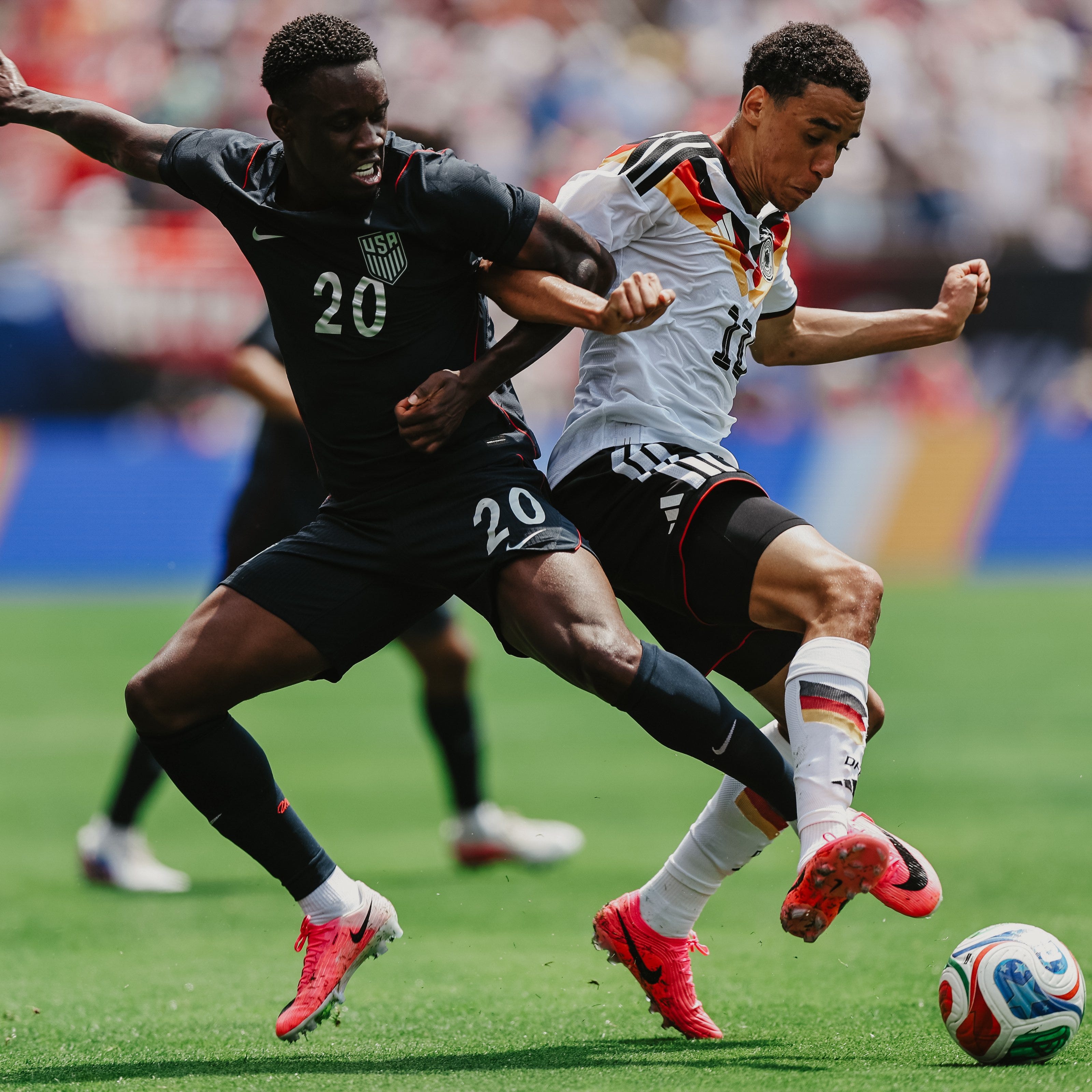
Conversely, the right side of the formation operates with a completely different approach. Timothy Weah is usually deployed as the right-winger, tasked with maintaining maximum width and using his speed to threaten the space behind the opposition’s defensive line. This stretches the pitch and creates central pockets for Pulisic to exploit. The right-back role usually occupied by Sergiño Dest is instructed to initiate the press and interchange with the right-sided centre-back.
This deliberate positional chaos is a core feature of Pochettino’s system. By continuously rotating positions, the USMNT unbalances defensive structures, forcing the opposition into random tracking decisions that can destroy the team’s setup.
However, historically the U.S. survived because legendary goalkeepers like Tim Howard and Kasey Keller bailed them out when the system broke. Today, that safety net is gone, replaced by a tense battle between veteran Matt Turner and New York City FC’s Matt Freese. While Freese got the starting nod in the final 2-1 friendly loss to Germany, his hesitation in commanding his penalty area on Kai Havertz’s opening goal drew sharp criticism from analysts. Because Pochettino’s defensive system requires a high line, the goalkeeper has to aggressively sweep the vacated space. Without a proven shot-stopper, Freese’s learning curve remains the team’s most glaring defensive vulnerability.
Pochettino’s 26-man roster features 13 returning veterans from the 2022 campaign in Qatar, marking the highest number of returnees between consecutive tournaments since the 1994 to 1998 cycle. Furthermore, the roster features elite championship credentials, with players like Pulisic possessing UEFA Champions League winners’ medals and a staggering 21 players having previously lifted a trophy with the national team.
The attacking options for the USMNT at this tournament possess a formidable goalscoring pedigree that highlights the roster’s growing depth. This collection of central striking options—featuring Folarin Balogun, Ricardo Pepi, and Haji Wright—accounted for a staggering 56 goals throughout the 2025-2026 club season. Balogun distinguished himself with a blistering nine-match scoring streak for AS Monaco, while Pepi’s clinical finishing led PSV Eindhoven to a third straight Eredivisie title, and Wright’s 18-goal haul served as the catalyst for Coventry City’s Premier League promotion. These three individuals offer Pochettino a variety of dynamic profiles, ensuring the creative output from Pulisic and the verticality of Weah are translated into clinical efficiency within the penalty area.
Defensively Chris Richards and 38-year-old Tim Ream will remain the primary force of the USMNT’s buildup phase. Ream’s elite passing from the left-sided centre-back position allows the team to safely bypass the opposition’s first line of pressure and feed Pulisic in the half-spaces.
However, the integrity of this defence rests almost entirely on the availability of Chris Richards. While the Crystal Palace man is regarded as the most accomplished centre-back in the USMNT, his path to the tournament was compromised by significant ankle ligament damage sustained during the final game of the Premier League. Richards has subsequently engaged in a relentless recovery programme to monitor his physical restoration. Should his fitness falter, the reliance on less experienced professionals could expose the USMNT to lethal counter-attacks, particularly when Robinson pushes up the pitch to provide the necessary width in Pochettino’s attacking 3-2-5.
This structural security will be crucial as the United States enters Group D as the seeded host nation, drawn alongside Paraguay, Australia, and Türkiye. The burden of serving as a host nation carries a crushing weight of expectation, further intensified by the commercial spectacle surrounding a golden generation of talent. Since his appointment, Pochettino has focused his tactical and psychological efforts on creating an environment designed to endure the intense scrutiny of this global spotlight.
When the squad arrived at their training base at the Great Park in Irvine, California, they were greeted by 5,500 screaming fans who had won a lottery just to watch a standard practice session. Veteran defender Tim Ream said that the players were “pleasantly surprised by the excitement and the buzz”, allowing them to settle into a strong mental and emotional position ahead of the tournament.
This squad now possesses a foundational quality unmatched in previous World Cup cycles. They have permanently abandoned the reactive, counter-attacking reliance of past decades in favour of a proactive, possession-heavy 3-2-5 system designed to disorganise and dismantle opponents. In their final send-off friendly against Germany, Pochettino’s side beat them on possession by 54%-46%, narrowly losing 2-1. The opening matches against stubborn group opponents will ultimately prove whether Mauricio Pochettino has successfully instilled the mental resilience required to harness the unforgiving pressure of a home World Cup.
Great read, Max!
You’re spot on with almost every thing you highlighted.
It’ll be interesting to watch how it unfolds especially with the GK pecking order with Mathew Fresse being the preferred choice for Poch. But this season Turner has had better stats than Forster plus WC experience.
If they’re able to solve these issues then they should have a decent campaign, surely?
Interesting piece, wasn’t aware of their strengths. Be intrigued to see how they get on 🇺🇸